
Winter brings unique challenges for anyone relying on portable solar power generator. Cold temperatures, shorter daylight hours, and snow or ice accumulation can all reduce the energy your generator produces. For those using solar generators for winter camping, off-grid cabins, or emergency backup during storms, understanding winter performance is essential. Unlike summer, when sunlight is abundant and temperatures are optimal, winter conditions can slow charging, reduce battery capacity, and make energy output less predictable. While solar generators are designed to handle a range of weather, cold temperatures directly affect battery chemistry. Batteries may charge more slowly or even temporarily stop charging if the temperature drops too low. Additionally, solar panels produce less electricity during cloudy or snowy days, which can further limit available power. By understanding how winter conditions impact both batteries and solar panels, users can take practical steps to protect their equipment and maximize performance. This article explores common winter issues, answers key questions, and provides actionable tips to ensure your solar generator works reliably during the cold months.
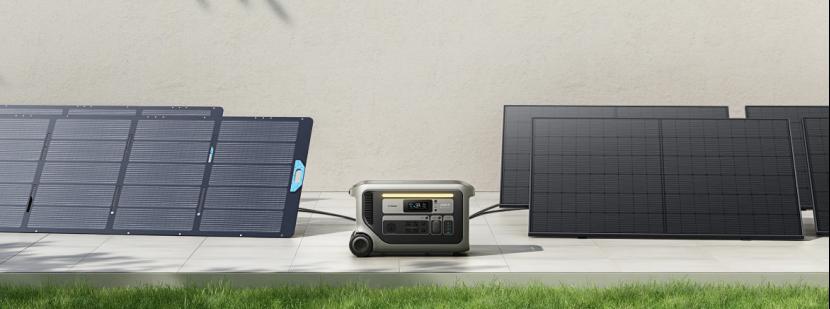
How Does Cold Weather Affect Solar Generators?
Battery Performance in Low Temperatures
Battery chemistry is extremely sensitive to temperature. In cold weather, chemical reactions inside the battery slow down, which reduces its capacity and ability to charge efficiently. Lithium-ion batteries, which are common in portable generators, can lose a significant portion of their effective storage in freezing conditions. This means that even if your generator is fully charged, it may deliver less power than expected when used in subzero temperatures. Extended exposure to extreme cold can also lead to long-term battery degradation if the generator is not protected. Some portable generators include built-in thermal management systems that limit charging in low temperatures to protect the battery. While this protects the device, it also means you may experience slower or paused charging until the battery warms to a safe operating temperature. Keeping the generator in a slightly warmer location, like inside a tent or insulated box, can help maintain performance in extreme cold.
Solar Panel Output in Winter Conditions
Solar panels themselves are affected by winter conditions, though the impact is more about sunlight than temperature. Shorter days mean fewer hours of sunlight for energy generation. Snow, ice, or frost on the panel surface can block sunlight entirely, further reducing output. The angle of the sun in winter is lower, so panels may need to be tilted more steeply to capture maximum sunlight. Interestingly, cold weather can slightly improve solar panel efficiency, but this benefit is often outweighed by reduced sunlight and potential shading from snow. Regularly clearing snow off panels and adjusting their angle can make a noticeable difference in winter energy production.
What Are Common Winter Performance Questions?
Can Solar Generators Work in Subzero Temps?
Yes, solar generators can work in cold temperatures, but their performance will typically drop as temperatures approach or fall below freezing. Many generators have a minimum operating temperature, often around 14–32°F (-10–0°C), below which charging may be limited. Using the generator in subzero conditions requires precautions, such as insulating the battery compartment or storing the unit indoors when not in use. While discharging the generator is usually possible in the cold, the reduced battery efficiency means the power may not last as long as it would in warmer conditions.
Do Snow and Clouds Stop Power Production?
Snow and clouds do not completely stop power production but can significantly reduce it. Thick cloud cover can cut energy output by 50% or more, while heavy snow accumulation can block sunlight entirely. It’s important to keep panels clear of snow and positioned to catch reflected sunlight from snow-covered ground. Even on cloudy days, solar panels can generate some electricity, so they can still provide limited power when the sun is not shining directly.
Practical Tips for Better Winter Performance
Protecting the Battery and Unit
To maintain reliable winter performance, protect your generator from extreme cold. Insulate the unit using a thermal bag or box, and avoid leaving it directly on snow or ice. If possible, store the generator in a warmer indoor space overnight. Some users place their generator inside a small tent or insulated container during use, which can raise the battery temperature enough to maintain efficient operation.
Solar Panel Positioning and Maintenance
Adjust the tilt of your solar panels to face the low winter sun directly. This often means a steeper angle than in summer. Clear snow or frost regularly to ensure maximum exposure to sunlight. Portable panels can be placed on reflective surfaces, like snow, to capture additional light. Even small adjustments can increase daily energy output during short winter days.
Choosing the Right Battery Chemistry
Battery choice matters in winter. Some lithium-ion chemistries, like lithium iron phosphate (LiFePO₄), perform better at low temperatures and are more resilient over time than standard lithium-ion batteries. While these batteries may cost more initially, they provide better reliability in cold conditions, making them ideal for winter camping, off-grid cabins, or emergency use.
Best Use Cases & Winter Scenarios
Winter Camping & Off-Grid Living
Portable solar generators are excellent for winter camping or remote cabin use. They can power small appliances, LED lighting, and communication devices while reducing the need for noisy gas generators. By using the tips above, users can maintain a reliable energy supply even in cold, snowy conditions. Planning your energy use in advance is critical during winter, as output will be lower than in warmer months.
Winter Storm & Emergency Backup
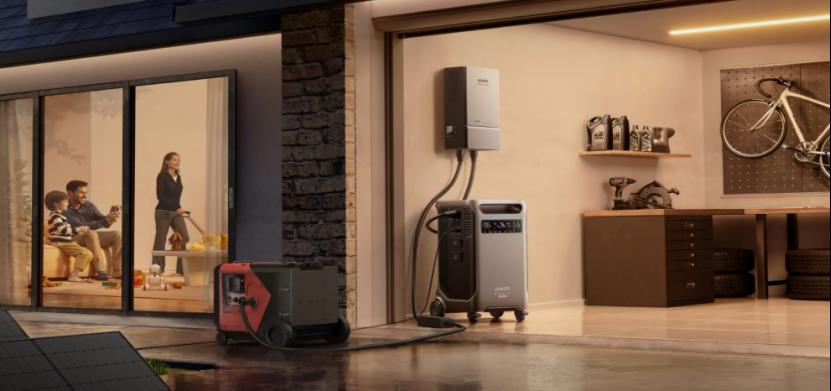
During winter storms or power outages, solar generators provide a dependable backup source of electricity. Keeping the unit charged and ready, along with proper winter maintenance, ensures it will function when conventional power fails. Generators can support essential devices like medical equipment, communication tools, and heating appliances for short periods. A well-prepared generator can be a lifesaver in emergency situations where traditional electricity is unavailable.
Conclusion
Portable solar generators remain a valuable energy solution during winter, despite the challenges of cold temperatures, shorter daylight hours, and snow accumulation. Understanding how batteries and solar panels react to winter conditions allows users to maximize performance and reliability. Cold reduces battery capacity and charging efficiency, while snow and clouds can lower panel output. However, by protecting the battery, adjusting panel angles, clearing snow, and choosing the right battery chemistry, winter performance can be significantly improved. Practical planning is essential. Whether you are winter camping, living off-grid, or preparing for emergencies, knowing your generator’s limitations and using it strategically ensures a reliable power supply. Even in subzero temperatures and low-light conditions, portable solar generators can provide enough energy for essential devices if handled correctly. Winter should not be a barrier to using solar power; with preparation and care, it can remain a practical, eco-friendly, and quiet energy solution during the cold months. By applying these tips, anyone can confidently rely on solar power throughout the winter season.